
From Field to Forestry
Agriculture and natural resource exploitation
Agricultural techniques
Practical strategies to improve agricultural yields
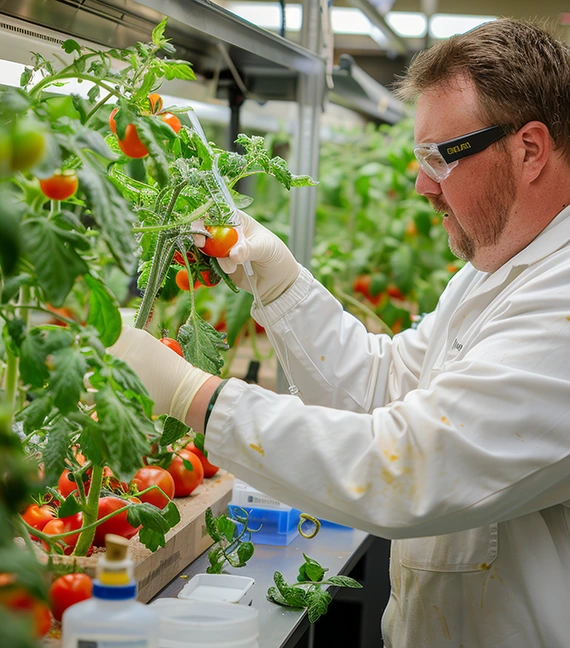
Improving agricultural production requires combining established farming methods with technological innovations. Farmers can improve soil fertility and maintain productive fields through crop rotation, controlled irrigation, and cover crops. Technologies such as precision agriculture enable real-time monitoring of crop conditions and more efficient allocation of inputs. Together, these practices support higher productivity while making sustainable land management and environmental protection integral to farming decisions.
Agricultural crops
Understanding the diversity of agricultural crops
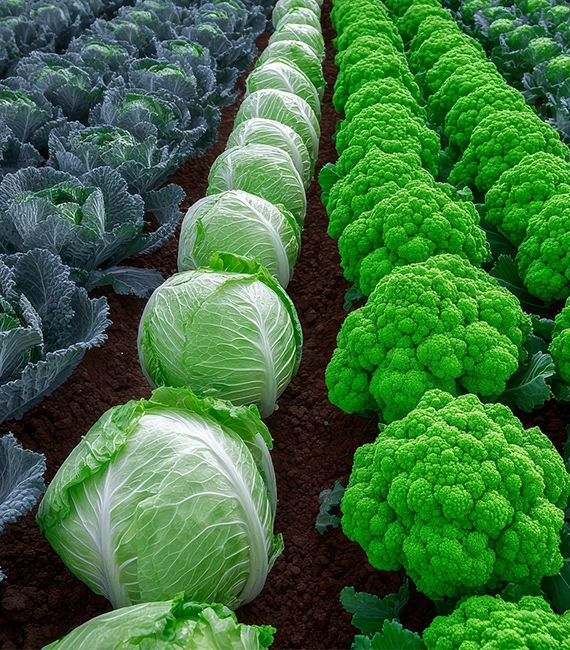
Agriculture encompasses a diverse range of crops, each suited to particular growing conditions and production needs. Cereal crops provide staple grains, while market garden crops supply vegetables for everyday diets. Industrial crops provide raw materials for food processing and textile manufacturing. Fruit crops contribute fresh produce and ingredients for processed foods, while fodder crops provide essential livestock feed.

Modern livestock farming
Essential practices for productive and responsible livestock farming
Balancing farm productivity with animal welfare is essential to responsible livestock farming practices. Appropriate living conditions, adequate space, a balanced diet, and regular veterinary care support animal health and reproductive performance. These measures can improve the quality of livestock products while addressing consumer concerns about responsible farming. Integrating welfare standards into daily husbandry helps farmers maintain productive operations without compromising animal well-being.
Agricultural equipment
Advanced agricultural equipment and smart farming technologies
Autonomous tractor
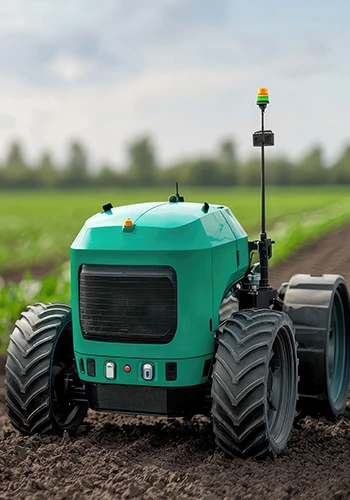
Equipped with GPS and artificial intelligence, an autonomous tractor can perform certain types of agricultural work with minimal direct human control, improving operational precision and reducing repetitive manual tasks.
Agricultural drone
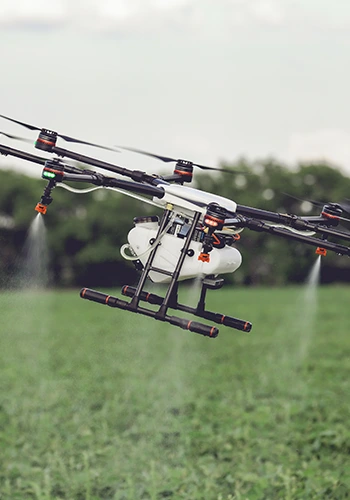
Agricultural drones help farmers monitor crop conditions, apply targeted treatments where permitted, and gather field observations in real time to support more informed decisions.
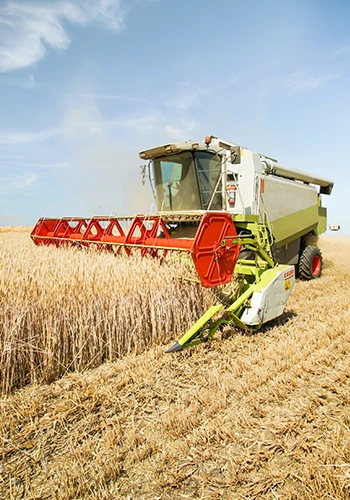
Connected combine harvester
Equipped with sensors and data collection tools, a connected combine harvester can adjust operating settings according to harvesting conditions, helping improve efficiency and reduce losses.
Ecology & Biodiversity
Protecting forest ecosystems and biodiversity
Responsible forest management protects biodiversity through the conservation of natural habitats and the prevention of excessive logging. Establishing protected areas and maintaining ecological corridors allow wildlife to move between habitats and help sustain healthy forest ecosystems.

Economics & operations
Ensuring profitable and sustainable forest management
Sustainable forest management combines timber harvesting with long-term resource conservation. Careful harvest planning, responsible resource use, and complementary activities such as forest tourism can generate income while supporting the long-term health of woodland ecosystems. This approach seeks to reconcile economic profitability with environmental conservation.
Reforestation and regeneration
Reforestation and natural regeneration for resilient forests
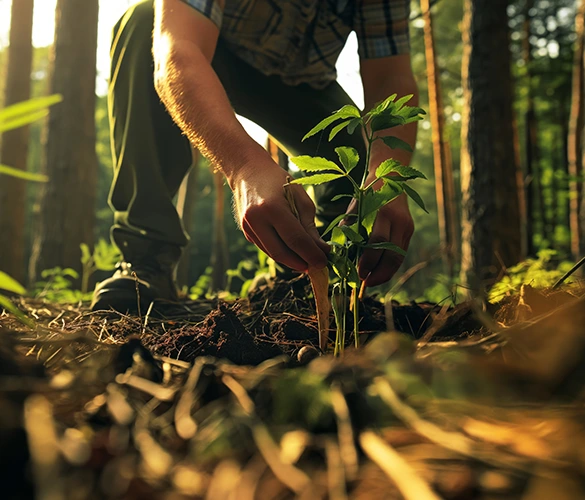
Forest rehabilitation and its implication
Following logging or degradation, reforestation supports forest restoration. This may involve planting trees whose species are suited to local soils and climatic conditions, increasing their prospects for establishment. Where conditions allow, natural regeneration can encourage the recovery of native vegetation without extensive planting.
These practices help maintain vegetation cover, protect soils from erosion, and support regulation of the water cycle. Successful forest recovery also contributes to carbon storage, biodiversity preservation, and the restoration of wildlife habitats. Its effectiveness depends on local ecological conditions and the long-term survival of regenerating vegetation.
Planting Techniques
Optimizing planting for better crop yields
Successful crop establishment begins with appropriate soil preparation. Depending on field conditions, this may involve plowing and amendment to improve soil structure and fertility. Selecting seeds and crop varieties suited to the climate and soil type helps encourage reliable growth. Planting methods should also account for recommended spacing and depth to reduce competition between plants and support uniform establishment.
Effective irrigation management provides sufficient moisture while limiting excessive watering and water stress. Protecting young plants from pests, diseases, and adverse weather also supports healthy crop development. Combining these practices helps farmers reduce establishment losses and improve the consistency of harvests.